
Commercial · By sector
Cold storage and logistics
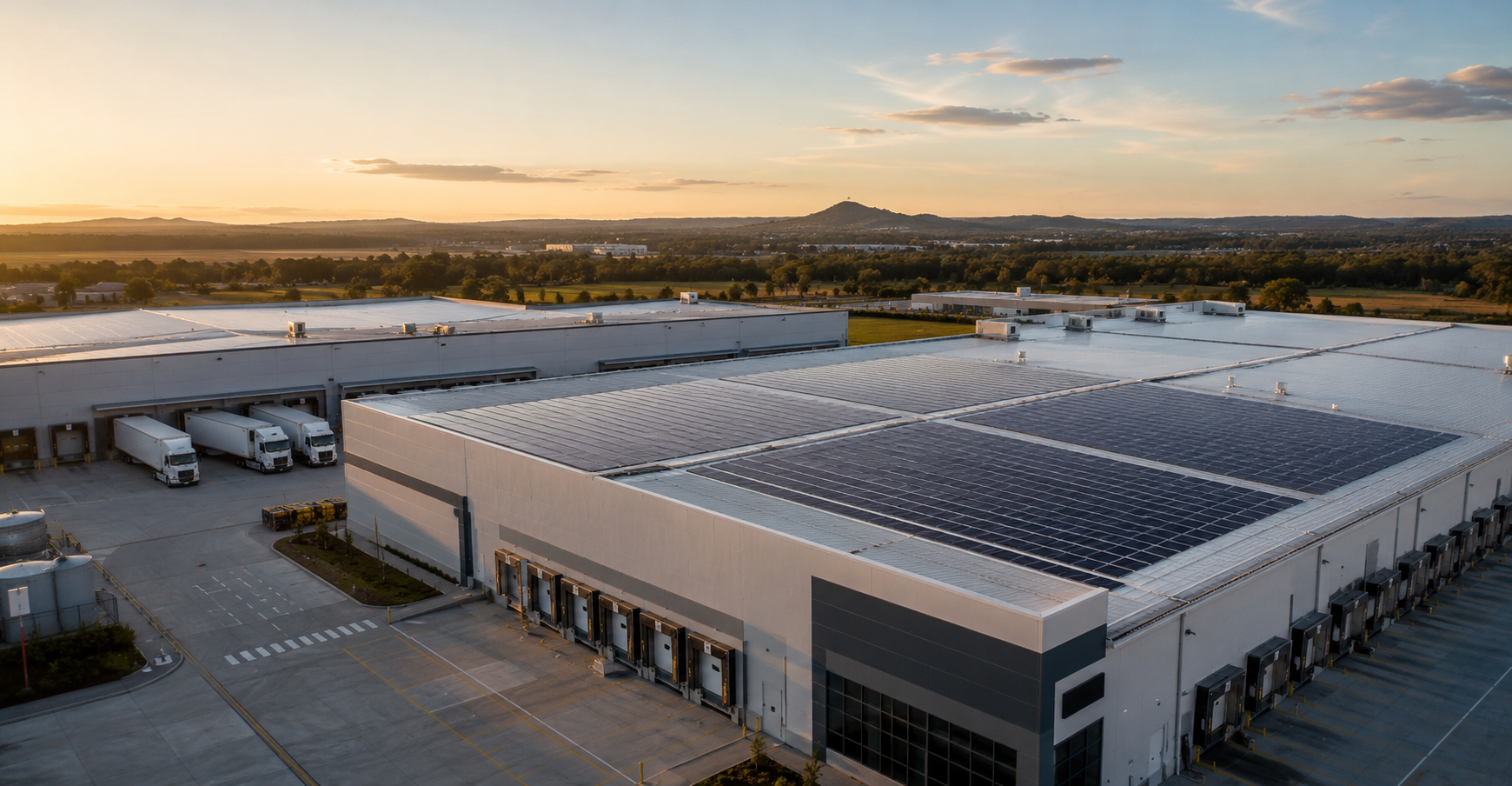
Refrigeration runs around the clock, so solar offsets daytime load directly and battery protects against outages and peak tariffs. The economics are usually compelling.
What we hear from this sector
Common challenges
- 24/7 refrigeration loads that dominate the bill
- Time-of-use tariffs with expensive evening peaks
- Outage risk to perishable stock
- Large but sometimes shaded or cluttered warehouse roofs
How we approach it
Our approach
Load and tariff analysis
We model how much of your refrigeration load lands in solar hours vs peak tariff windows.
Battery sized for peak shaving
Targeted dispatch into the evening peak, not just whole-of-day shifting.
Roof obstacle survey
Vents, condensers and skylights mapped before layout to avoid shading losses.
EV-ready switchboard
Forklift and truck-charging considered in the electrical design from the start.
What good looks like
Typical outcomes
- Significant cut to daytime refrigeration cost
- Reduced exposure to evening peak tariffs
- Backup capacity for critical refrigeration during outages
Outcomes vary by site, tariff and load profile. We confirm what is realistic for you during the energy review.
What we typically install
Indicative kit and sizing
- 300kW–2MW arrays on warehouse roofs, optimisers where shading exists
- Three-phase inverters tuned to compressor start profiles
- Battery from 200 kWh upwards for evening peak shaving and outage cover
- EV-ready switchboard provisioning for fleet electrification
Typical SolKind project sizing for this sector. Final sizing is determined by your roof, load profile and budget during discovery.
Indicative payback
4–8 years typical, depending on tariff, load profile and battery sizing. Refrigeration's flat 24/7 load typically lands at the shorter end.